Fiberglass Repair
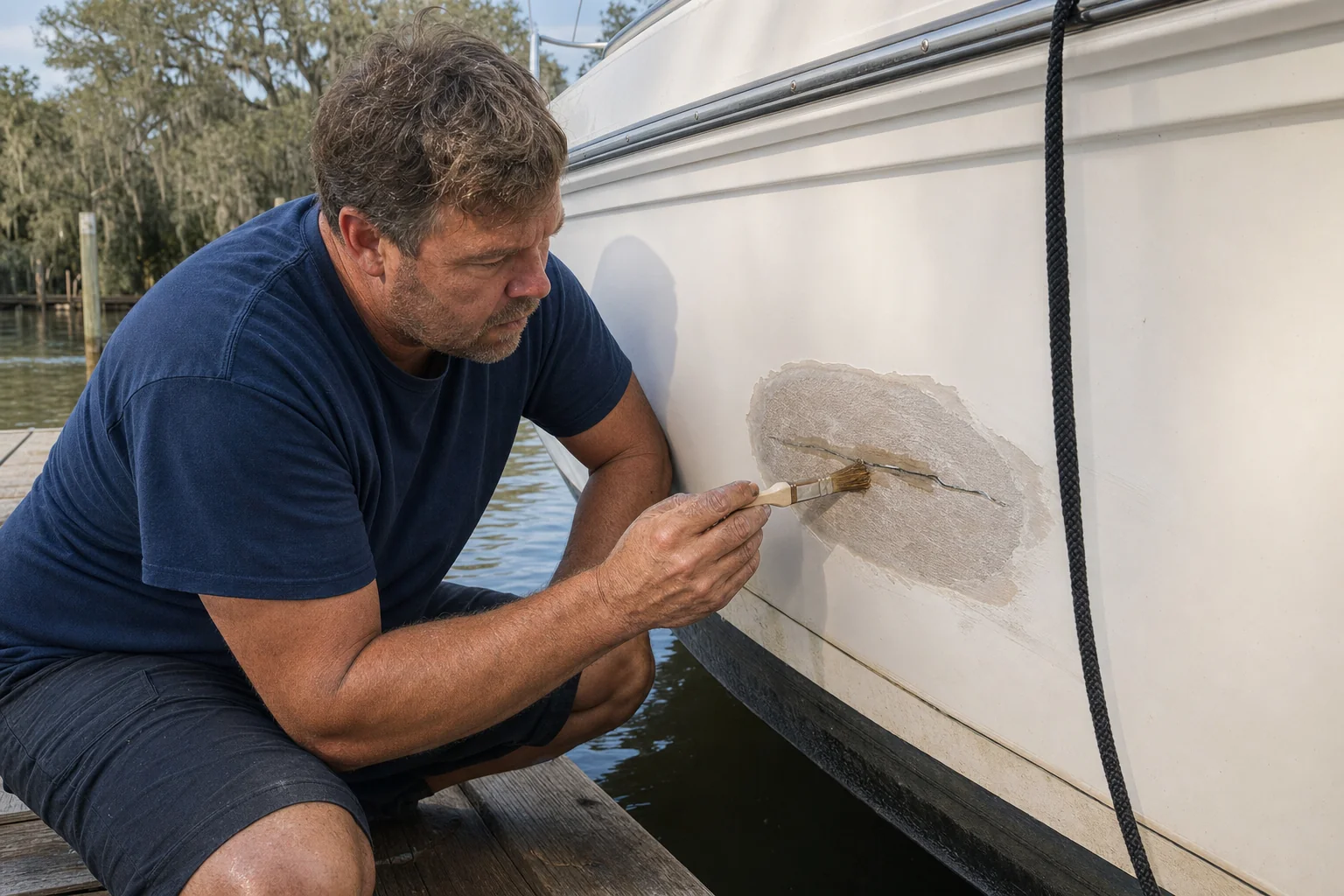
When saltwater, sun, and hard use leave your hull cracked, faded, or damaged, Wilmington Marine Mechanic is ready to help with professional fiberglass repair right here on the North Carolina coast. We come to your marina, dock, or boat ramp — no hauling required — so your vessel gets back on the water fast. Whether it’s a stress crack from a rough landing or storm damage from hurricane season, we assess and fix it properly the first time.
Trusted Service You Can Rely On
At Wilmington Marine Mechanic, we know how much your boat means to you — and how quickly hull damage can sideline a great day on the water. Our team handles fiberglass repair alongside a full range of services, from marine diagnostic services to boat detailing, so you get everything done under one trusted local name. Whether you keep your vessel at a Wrightsville Beach marina or trailer it to a Carolina Beach boat ramp, we bring skilled hands and the right materials directly to you. Reach out today and let’s get your hull looking and performing its best.
Why Choose Us?
- We come to your marina, dock, or boat ramp to perform fiberglass repair on-site, so you avoid the cost and hassle of hauling your vessel to a distant shop.
- Our technicians are experienced with saltwater-related hull damage — including osmotic blistering, stress cracks, and gelcoat fading common along the North Carolina coast.
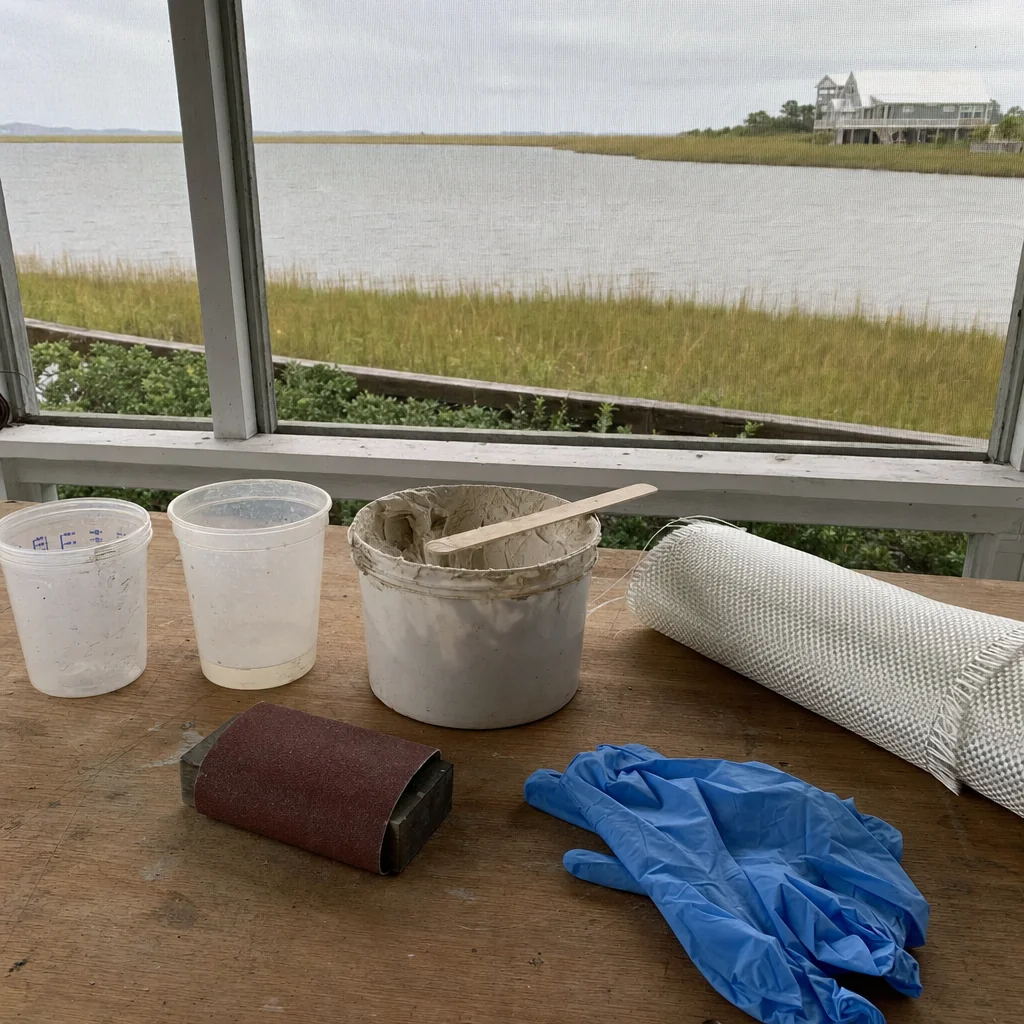
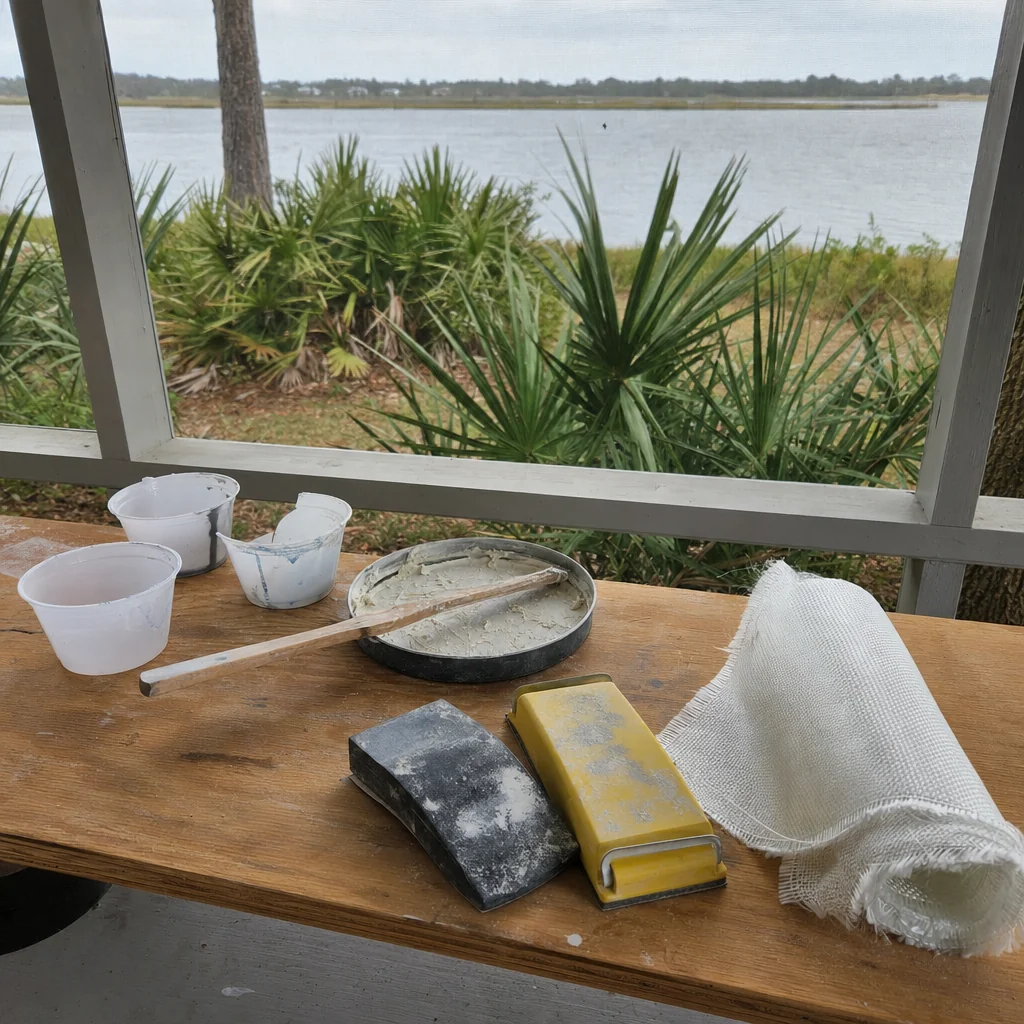
- We use quality resins, mat, and gelcoat matched to your boat's original finish so repairs blend seamlessly and hold up in a marine environment.
- Every job starts with an honest, upfront assessment — you'll know exactly what the repair involves and what it costs before we pick up a grinder.
- From minor dings to structural repairs after storm damage, we handle a wide range of fiberglass work so you don't need multiple contractors.
Gelcoat Restoration and Color Matching
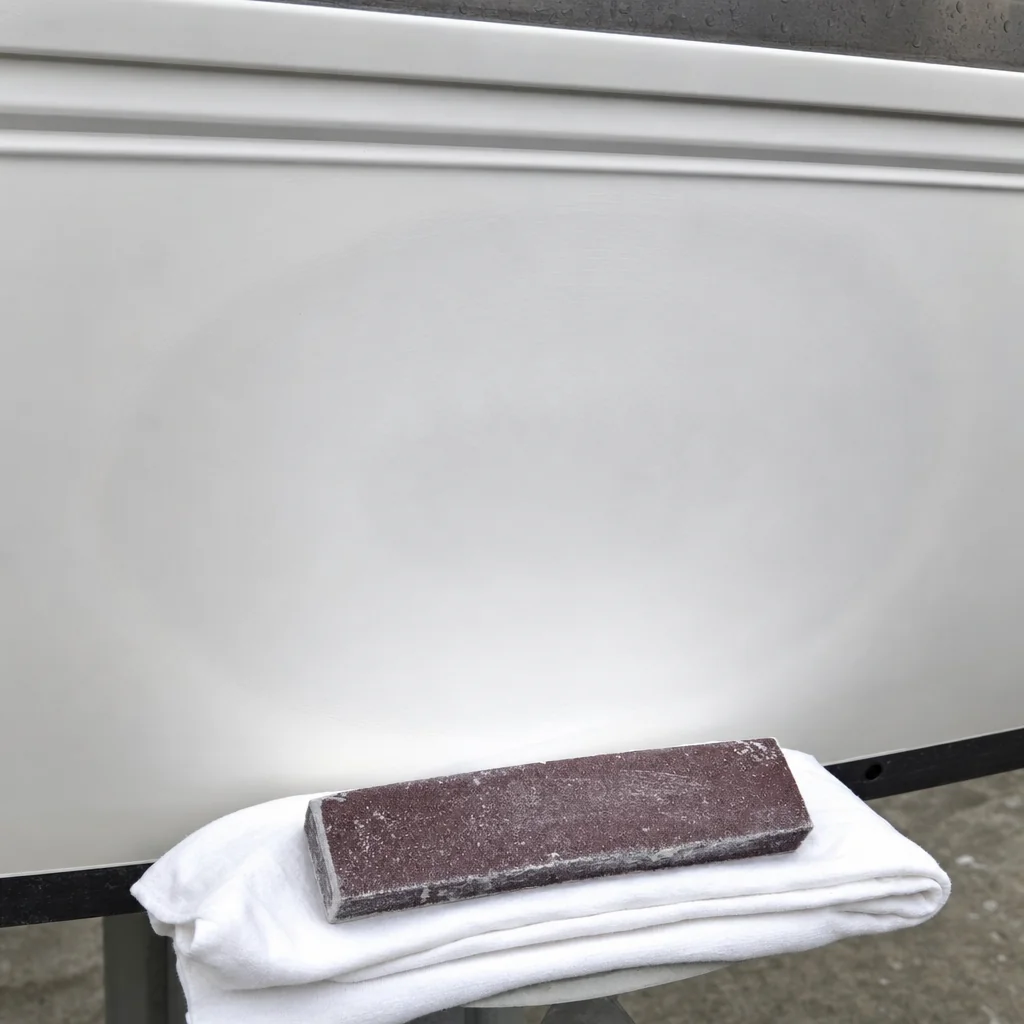
Years of UV exposure and saltwater contact cause gelcoat to fade, chalk, and lose its protective barrier. We sand, re-apply, and polish gelcoat using color-matched compounds that restore your hull's original appearance and protect the underlying laminate. A properly restored gelcoat also makes future cleaning and boat detailing easier and more effective.
Serving Wilmington & Surrounding Areas
Wilmington Marine Mechanic provides on-site fiberglass repair throughout Wilmington and the surrounding coastal communities. We regularly work with boat owners in Wrightsville Beach, Carolina Beach, and Kure Beach — areas where saltwater exposure and busy boating seasons mean hull damage is a fact of life. Our mobile service model means we come to you, whether you're at a marina slip, a private dock, or a public boat ramp. We also serve customers in Leland, Hampstead, Southport, Surf City, and Topsail Beach, covering the full stretch of Brunswick and Pender County coastline. Within Wilmington itself, we work in neighborhoods including Masonboro, Monkey Junction, Porters Neck, and Mayfaire. If you're not sure whether we cover your location, just ask — our team is happy to confirm availability when you call.
Wilmington Neighborhoods
Nearby Communities
Common Signs You Need Service
Catching hull damage early is one of the best ways to avoid a costly repair bill — small cracks and blisters that are easy to fix today can become structural problems if water gets into the laminate unchecked.
Visible Cracks or Crazing:
Spider cracks or crazing on the hull or deck surface indicate stress in the laminate and allow water intrusion. Even hairline cracks should be assessed before they widen or allow moisture into the core.
Soft or Spongy Deck Areas:
A deck that flexes underfoot points to a delaminated or water-saturated core. This weakens structural integrity and spreads quickly if the moisture source isn't sealed.
Hull Blistering Below Waterline:
Small bubbles or raised patches on the hull below the waterline are classic signs of osmotic blistering. Left untreated, blisters enlarge and the underlying laminate begins to break down.
Flex or Movement at Transom:
If your outboard mounting area feels soft, moves when you push on it, or shows cracks around hardware, the transom core may be compromised. This is a safety issue that needs professional attention promptly.
Frequently Asked Questions
How long does a fiberglass repair typically take?
Repair time depends on the size and type of damage. A minor gelcoat crack or small blister treatment can often be completed in a single visit, while structural repairs like transom replacement or large hull patches may take two to three days to allow proper resin cure time. We'll give you a realistic timeline during the initial assessment.
Will the repaired area match the rest of my hull?
Color matching is part of every fiberglass repair we do. We use gelcoat tinted to match your boat's original color as closely as possible, then wet-sand and buff the area to blend with the surrounding surface. Some fading on older boats can make a perfect match challenging, but we'll discuss expectations honestly before we start.
Can you perform fiberglass repairs at my marina or boat ramp?
Yes — that's exactly how we prefer to work. Wilmington Marine Mechanic is a mobile service, so we bring tools, materials, and expertise directly to your location. Most fiberglass repair work does not require a boat to be hauled out to a shop, saving you time and trailering costs.
How do I know if my hull blisters need repair right away?
Surface blisters that are small and few in number can sometimes wait until a planned haul-out, but widespread blistering or blisters that are large and soft to the touch should be addressed sooner. Our marine diagnostic services can help determine the extent of the damage and whether immediate treatment is needed to prevent further laminate breakdown.
What causes stress cracks on a fiberglass hull?
Stress cracks typically result from repeated flexing, hard impacts, or improper hardware installation that concentrates load in one spot. They're especially common around cleats, rod holders, and transom corners. A stress crack is the laminate's way of signaling that the load in that area exceeds what the structure can absorb without intervention.
Ready to get your hull back in shape before the next trip out?
Call (910) 784-5202 to speak with a local technician who can assess your damage and schedule an on-site visit at your convenience. You can also Get a Free Quote and we'll walk you through what the repair involves — no pressure, no surprises.