Fiberglass Repair
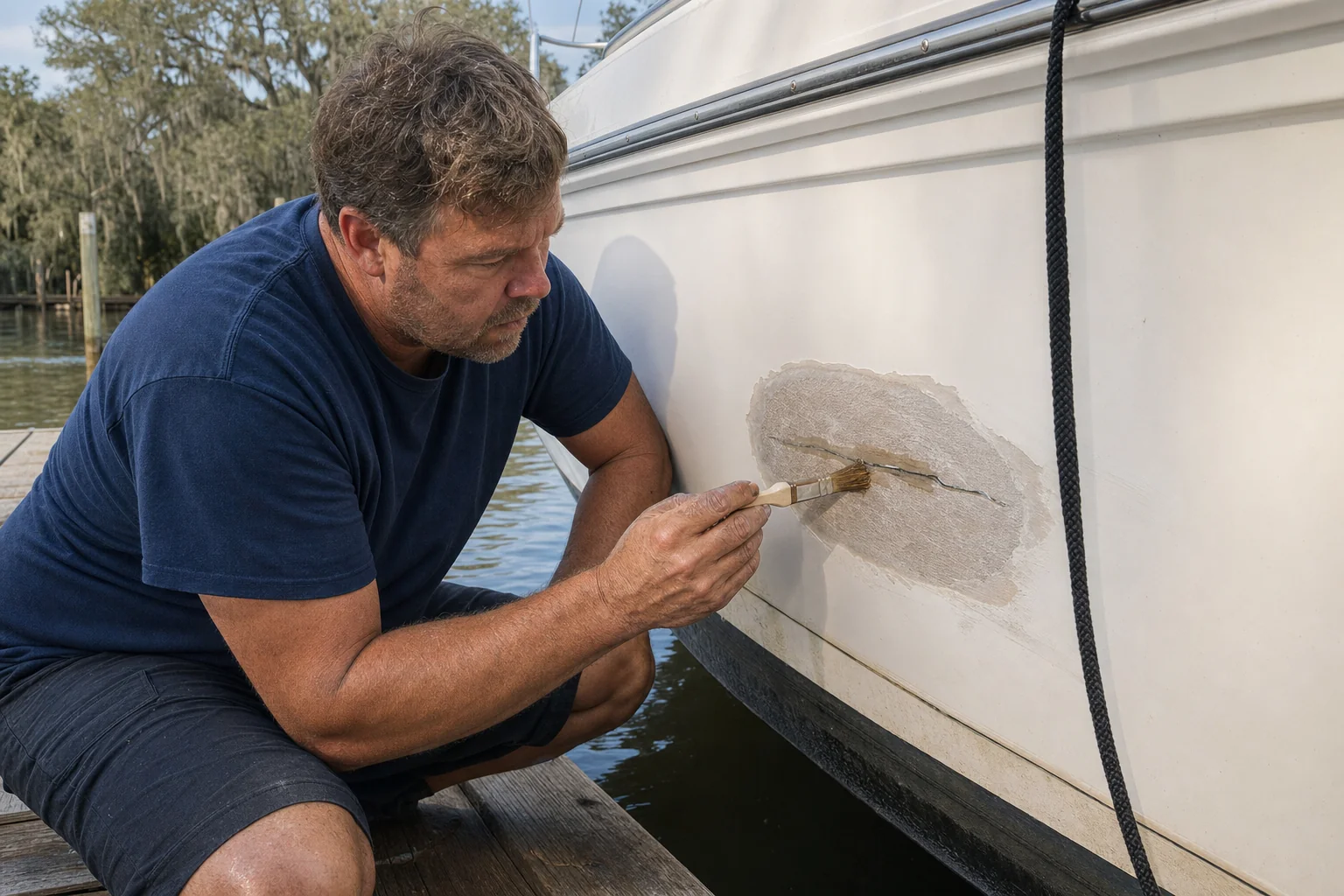
When saltwater, UV exposure, and the occasional dock bump take a toll on your hull, you need a local expert who can restore it right where your boat sits. Wilmington Marine Mechanic provides professional fiberglass restoration throughout Wilmington, NC, and the surrounding coastal communities. We come to your marina, dock, or boat ramp — no hauling required.
Fiberglass Cloth and Gel Coat Repair for Your Fiberglass Boat
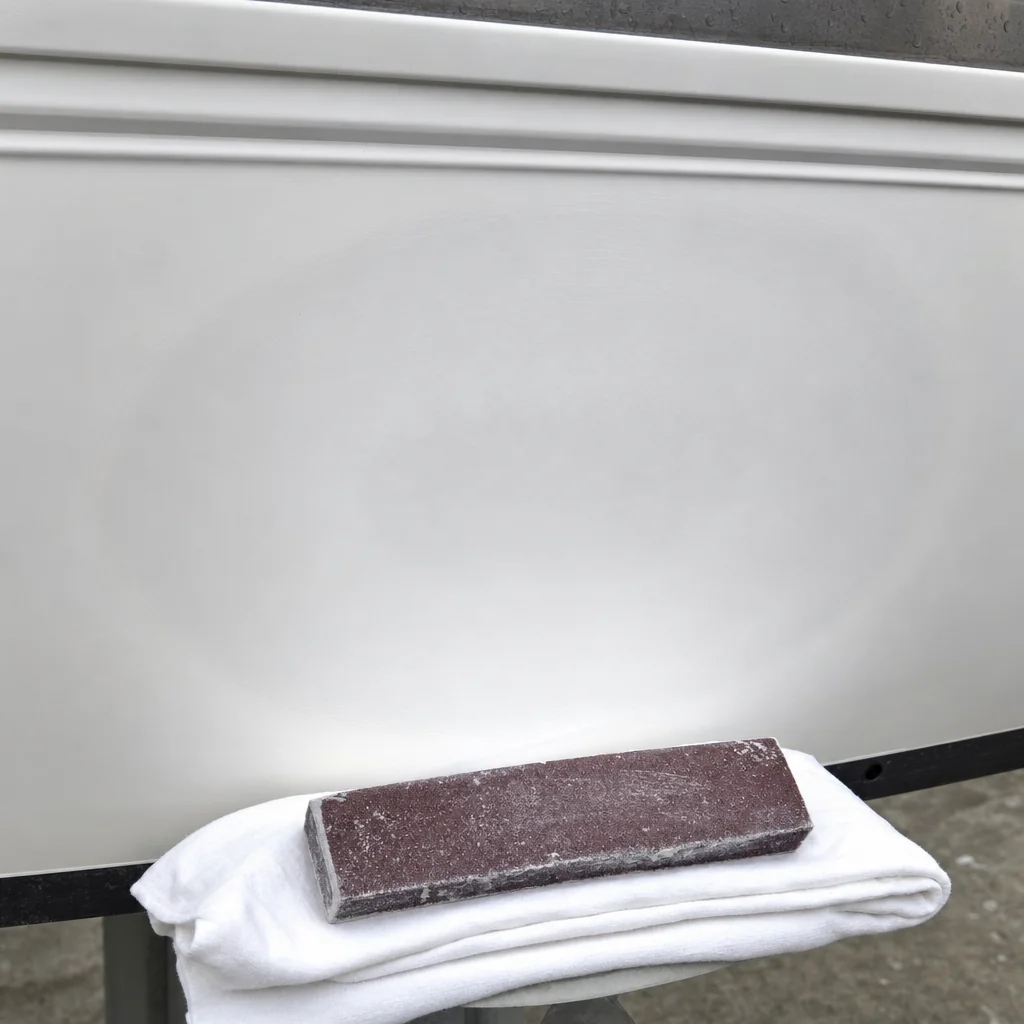
Scratches, chips, and crazing in the gelcoat are the most common fiberglass issues boat owners in Wilmington face after a season on the water. We carefully match the original color and apply a durable gel coat finish that protects the underlying laminate from moisture intrusion. For fiberglass boat hulls, we use quality fiberglass cloth and fiberglass mat layered with resin to build back structural integrity. Proper color matching and surface prep are what separate a lasting restoration from one that fades and flakes within a season.
Serving Wilmington & Surrounding Areas
Wilmington Marine Mechanic provides fiberglass repairs throughout Wilmington and the surrounding coastal communities. We regularly work at marinas and boat ramps in Wrightsville Beach, Carolina Beach, Kure Beach, Southport, and Leland — bringing tools and materials directly to where your boat is stored so you avoid the hassle and cost of hauling. We also serve boat owners in Hampstead, Surf City, and Topsail Beach, as well as Wilmington neighborhoods including Masonboro, Monkey Junction, Porters Neck, Ogden, and Mayfaire. If your vessel is within our service area and needs hull work, we'll come to you. Check our full list of marine diagnostic services to see how we handle diagnostics before any work begins.
Wilmington Neighborhoods
Nearby Communities
Common Signs You Need Fiberglass Repairs
Catching fiberglass damage early can mean the difference between a straightforward surface restoration and an expensive structural rebuild — especially in a saltwater environment where moisture works fast once it finds a way in. Using the right fiberglass cloth and a proper repair kit makes all the difference in achieving a lasting result.
Visible Cracks or Crazing:
Spider-web patterns or linear cracks in the gelcoat indicate stress in the laminate beneath. Even hairline fractures allow water to penetrate and begin degrading the fiberglass layers.
Soft Spots Underfoot:
Spongy or flexing areas on the deck or transom signal that water has saturated the core material. This is a structural concern that worsens with every boat ride.
Hull Blistering:
Small bubbles or raised patches below the waterline are a sign of osmotic blistering. Popping them without proper treatment allows water to continue migrating deeper into the laminate.
Delamination Sounds:
A hollow thud when tapping the hull — rather than a solid tone — indicates that fiberglass layers have separated. Delamination spreads if left unaddressed and can compromise hull rigidity. A hull with delamination requires prompt structural attention to prevent further damage.
Frequently Asked Questions
How much does fiberglass repair typically cost?
Cost depends heavily on the size and depth of the damage. A small gelcoat chip or scratch is far less involved than a soft transom or delaminated deck section. We always provide an honest, upfront assessment through our marine diagnostic services before any work begins, so you know what to expect with no surprise charges.
Can you repair fiberglass at my marina without hauling the boat?
Yes — that's exactly how we prefer to work. We bring all necessary tools, materials, and safety equipment to your marina, dock, or boat ramp throughout Wilmington and surrounding areas including Surf City, Hampstead, and Topsail Beach. Most repairs can be completed on-site without the boat ever leaving the water or your storage facility.
How long does a fiberglass repair take to cure before I can use my boat?
Cure times vary by repair type, ambient temperature, and humidity — all of which matter along the North Carolina coast. Surface gelcoat repairs typically cure within 24 to 48 hours, while structural laminate work may require several days before the hull is ready for load-bearing use. We'll give you a realistic timeline specific to your job before we start.
Will the repaired area match the rest of my hull?
We take color matching seriously and blend custom gelcoat to get as close to the original finish as possible. Older hulls that have faded from UV exposure can make a perfect match challenging, but we'll be upfront about what's achievable. Following the repair with a full boat detailing often helps blend the finished area with the surrounding surface.
Ready to Get Started?
If your hull has taken some damage or you've noticed cracks, blisters, or soft spots, don't wait for the problem to grow. Call (910) 784-5202 to speak with a local technician, or click below to Get a Free Quote and we'll come assess your boat right where it sits. We handle everything from minor gelcoat touch-ups to full structural restoration.