More Than Just an Oil Change
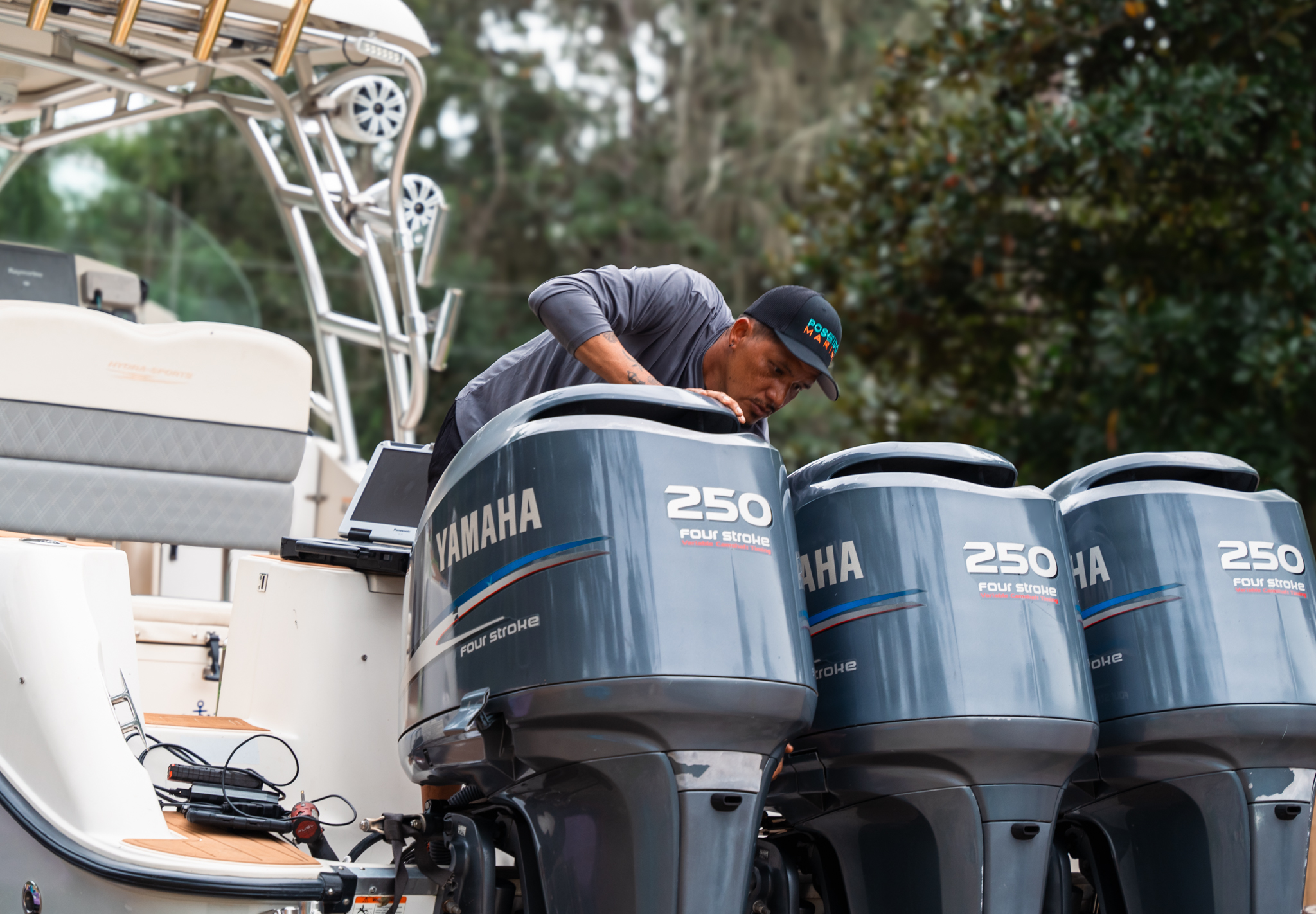
If you own a boat, personal watercraft, or any motorized vessel, you’ve probably wondered at some point whether something sounded right, ran right, or felt right on the water. That’s exactly where a marine mechanic comes in. Unlike a standard automotive technician, a marine mechanic specializes in the unique systems found on watercraft — from outboard and inboard engines to steering, electrical, and fuel delivery systems that are engineered specifically for the marine environment.
The work is more complex than most people realize. Saltwater corrosion, bilge moisture, barnacle buildup, and the constant vibration of open-water operation put enormous stress on components that would last much longer in a land vehicle. A qualified marine mechanic understands these conditions and knows how to diagnose problems that are unique to life on the water.
Common Services a Marine Mechanic Provides
Marine mechanics handle a wide range of maintenance and repair tasks, including:
- **Engine tune-ups and winterization** — Preparing your engine for off-season storage prevents corrosion, fuel degradation, and freeze damage.
- **Impeller replacement** — The water pump impeller is a rubber component that circulates cooling water through your engine. It wears out regularly and must be replaced on schedule to prevent overheating.
- **Fuel system service** — Ethanol-blended fuels can degrade rubber components and leave deposits. A mechanic will inspect fuel lines, carburetors, and injectors for buildup or deterioration.
- **Electrical diagnostics** — Marine electrical systems deal with constant moisture exposure. Corroded terminals, failed bilge pumps, and faulty navigation lights are all common issues.
- **Outdrive and lower unit service** — Gear oil changes and seal inspections on sterndrives and outboards protect against water intrusion, which can destroy internal components quickly.
- **Propeller inspection and repair** — Even a minor ding on a propeller can cause vibration, reduce fuel efficiency, and strain the drivetrain.
Signs You Should Call a Marine Mechanic Soon
Some problems are easy to ignore until they become expensive. Watch for these warning signs:
**Overheating** — If your temperature gauge climbs or you notice steam, shut the engine down immediately. Overheating is often caused by a failed impeller or blocked cooling passages and can destroy an engine in minutes if ignored.
**Hard starting or rough idle** — This often points to carburetor issues, fouled spark plugs, or fuel delivery problems. These are straightforward fixes when caught early but can cascade into bigger failures.
**Unusual noises** — Knocking, grinding, or rattling sounds from the engine or drivetrain are never normal. A mechanic can pinpoint the source before it becomes a full breakdown on the water.
**Water in the bilge** — Some water is expected, but excessive accumulation can indicate a failing seal, a cracked hull fitting, or a malfunctioning bilge pump — all of which need professional attention.
**Vibration at speed** — A propeller strike, even a minor one, can cause an imbalance that stresses the shaft, bearings, and transmission over time.
Seasonal Maintenance: The Best Investment You Can Make
The most cost-effective thing a boat owner can do is follow a consistent seasonal maintenance schedule. Spring commissioning and fall winterization are the two most critical service windows. During commissioning, a mechanic will check all fluid levels, inspect belts and hoses, test the battery and charging system, and verify that safety equipment is functional. During winterization, they’ll flush and fog the engine, stabilize the fuel, and protect water systems from freezing.
Skipping these appointments might seem like a way to save money, but deferred maintenance almost always leads to larger repair bills — and potentially a ruined boating season.
How to Choose the Right Marine Mechanic for Your Vessel
Not all mechanics work on all types of boats. Before booking service, confirm that the shop or technician has experience with your specific engine type — whether that’s a two-stroke outboard, a four-stroke inboard, a diesel engine, or a sterndrive system. Certifications from organizations like the American Boat and Yacht Council (ABYC) or manufacturer-specific training programs are a good indicator of technical competence.
Ask about turnaround time, especially heading into peak boating season when shops can get backed up for weeks. A good marine mechanic will give you a clear estimate, explain what they found, and show you worn or failed parts when they complete the job. Transparency and communication matter just as much as technical skill when you’re trusting someone with a significant investment.