More Than Just Pipes and Fittings
When something goes wrong with the water systems on your boat, dock, or marina facility, a standard residential plumber isn’t always the right call. A marine plumber specializes in the unique plumbing systems found on vessels and waterfront structures — systems that face saltwater corrosion, constant movement, and strict environmental regulations that land-based plumbing simply doesn’t encounter.
Understanding what this trade covers can save you time, money, and a lot of frustration the next time you’re dealing with a leaking through-hull fitting or a failed holding tank.
What Marine Plumbing Systems Actually Include
Marine plumbing is a broad term that covers several interconnected systems aboard a vessel or at a waterfront property:
- **Freshwater systems** — pressurized tanks, water pumps, hot water heaters, and the lines that carry drinking water to sinks, showers, and galleys.
- **Bilge and drainage systems** — pumps, lines, and check valves that remove unwanted water from the hull.
- **Holding tanks and waste systems** — legally required on most vessels operating in coastal or inland waters, these systems store sewage until it can be properly discharged at a pump-out station.
- **Raw water systems** — seawater used for engine cooling, air conditioning, and live wells, which runs through separate dedicated lines.
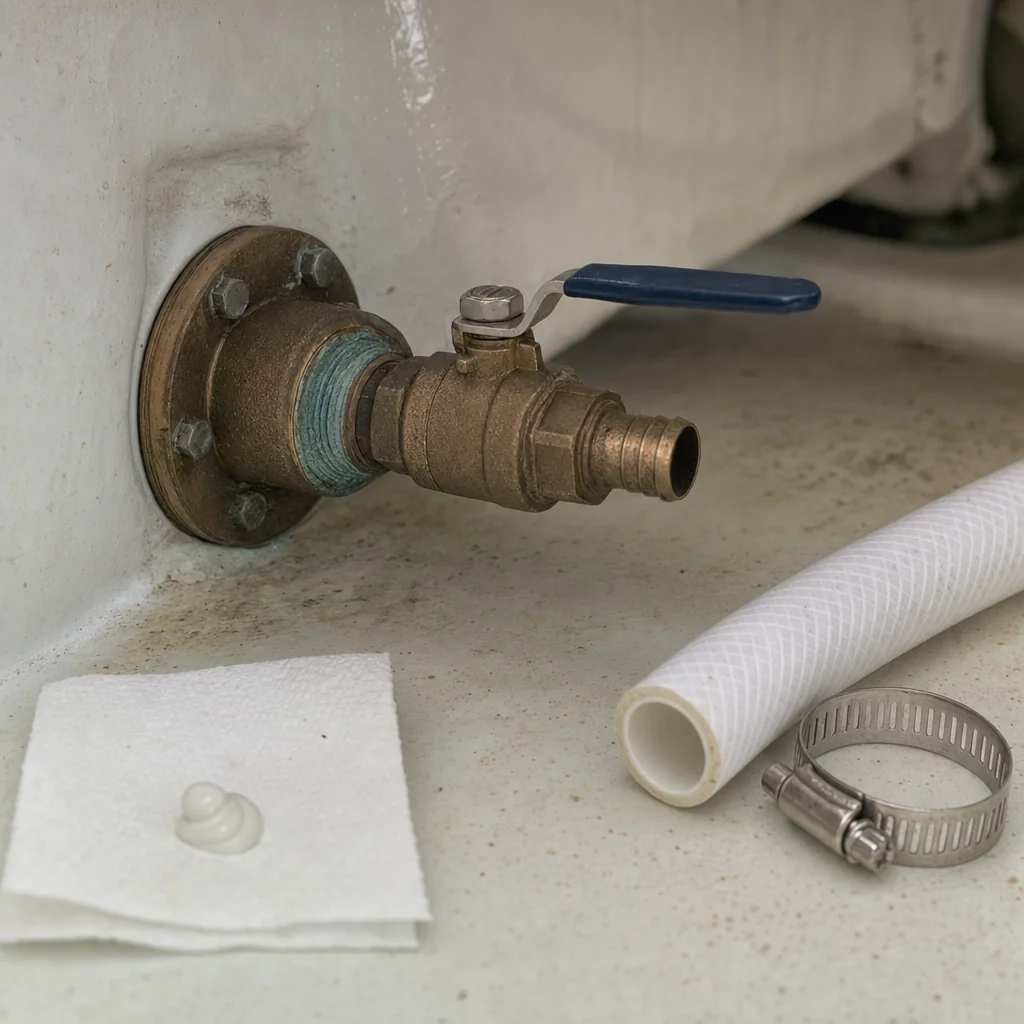
- **Through-hull fittings and seacocks** — the penetrations in the hull that allow water in and out; these are critical safety components that must be properly sized, installed, and maintained.
Each of these systems uses materials specifically chosen to resist corrosion from saltwater, fuel vapors, and the vibration that comes with being on the water.
Why Marine Plumbing Is Different From Residential Work
The differences go well beyond the setting. Here are a few reasons why marine plumbing demands specialized knowledge:
**Corrosion resistance is non-negotiable.** Standard copper pipe and fittings used in homes can corrode rapidly in a marine environment. Marine systems rely on materials like bronze, stainless steel, reinforced hose, and specific grades of PVC that hold up to constant moisture and salt exposure.
**Space constraints are extreme.** Engine rooms and bilge areas on even mid-sized boats are incredibly tight. A marine plumber has to work around structural members, fuel tanks, electrical systems, and engines — often in awkward positions — without creating chafe points or future access problems.
**Regulations matter.** The U.S. Coast Guard and the Environmental Protection Agency set specific rules around sewage holding tanks, discharge ports, and Y-valve configurations. An improperly installed waste system can result in fines for the vessel owner. A qualified marine plumber knows these regulations and installs systems that comply.
**Failure consequences are higher.** A leaking pipe under a kitchen sink is an inconvenience. A failed through-hull fitting below the waterline can sink a boat. Every connection and fitting needs to be installed correctly the first time.
Common Jobs That Require a Marine Plumber
You might need to call in a marine plumbing specialist for situations like these:
- Replacing aging through-hull fittings or seacocks that have become stiff, corroded, or are showing signs of dezincification
- Installing or servicing a holding tank and pump-out system to bring a vessel into compliance
- Troubleshooting low water pressure or intermittent pump cycling in a pressurized freshwater system
- Replacing raw water impellers, strainers, or hoses in an engine cooling circuit
- Winterizing a vessel’s entire plumbing system to prevent freeze damage
- Repairing or upgrading the galley or head (bathroom) plumbing on a liveaboard or cruising vessel
Marina operators and boatyard managers also rely on marine plumbers for dock water systems, pump-out station maintenance, and fuel dock plumbing.
How to Find a Qualified Marine Plumber in Your Area
Not every plumber who advertises marine work has genuine hands-on experience with vessels. When evaluating candidates, ask a few specific questions:
- Have they worked on your type of vessel — powerboat, sailboat, commercial vessel, or dock system?
- Are they familiar with ABYC (American Boat and Yacht Council) standards, which are the industry benchmark for marine systems installation?
- Can they provide references from boatyards, marinas, or other vessel owners?
- Do they carry liability insurance appropriate for working on the water?
Local boatyards, marinas, and sailing clubs are often the best sources for referrals. Technicians who work regularly in a boatyard environment tend to have broad, practical experience across many vessel types and system configurations.
The Bottom Line
Marine plumbing is a specialized trade that touches every system keeping water where it belongs — and keeping your vessel afloat. Whether you’re dealing with a routine repair, a compliance issue, or a full refit, working with someone who understands the unique demands of the marine environment makes a real difference in the quality and longevity of the work.